

A bandage is a piece of material used to support or protect an injured or diseased part of the body. It can be made of different materials such as gauze, cotton, or elastic, and comes in various shapes and sizes to accommodate different wounds or surgical sites. Bandages are used to stop bleeding, protect wounds from infection, and provide compression or support to promote healing. They can be applied by professionals or by individuals themselves, often with the help of medical tape or adhesive. Bandages are an essential component of first aid kits and are widely used in hospitals, clinics, and homes.
Why Choose Us
High quality
Our products are manufactured or executed to a very high standard, using the finest materials and manufacturing processes.
Advanced equipment
A machine, tool or instrument designed with advanced technology and functionality to perform highly specific tasks with greater precision, efficiency and reliability.
Quality control
We have built a professional quality control team to accurately inspect every raw material and every production process.
Professional team
Our professional team collaborates and communicates effectively with each other, and is dedicated to delivering high quality results. We are capable of handling complex challenges and projects that require our specialized expertise and experience.
Customized services
We understand that each customer has unique manufacturing needs. That’s why we offer customization options to cater to your specific requirements.
24H online service
We try and respond to all concerns within 24 hours and our teams are always at your disposal in case of any emergencies.


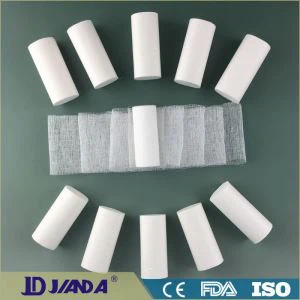

Advantages of Bandage
Controls bleeding
One of the primary benefits of a bandage is its ability to control bleeding from minor cuts or abrasions. Applying pressure with a bandage helps slow down blood flow and prevents excessive bleeding.
Protection against infection
A bandage acts as a barrier between the wound and external contaminants, reducing the risk of infection. It also keeps dirt and debris away from the wound, allowing it to heal properly.
Compression and support
Bandages can provide compression and support to injured or swollen areas. Elastic bandages, for example, can be wrapped tightly around a sprained ankle to provide support and promote blood flow to the area.
Convenience
Bandages are easy to apply and remove, making them convenient for use at home, in the workplace, or while traveling. They can also be stored in first aid kits for quick access in case of emergencies.
Versatility
Bandages come in various shapes and sizes, making them suitable for different types of wounds and injuries. They can be used on different parts of the body, including the arms, legs, feet, and head.
Portable
Bandages are small and lightweight, making them easy to carry around in a pocket or purse, making them a great addition to any first aid kit.
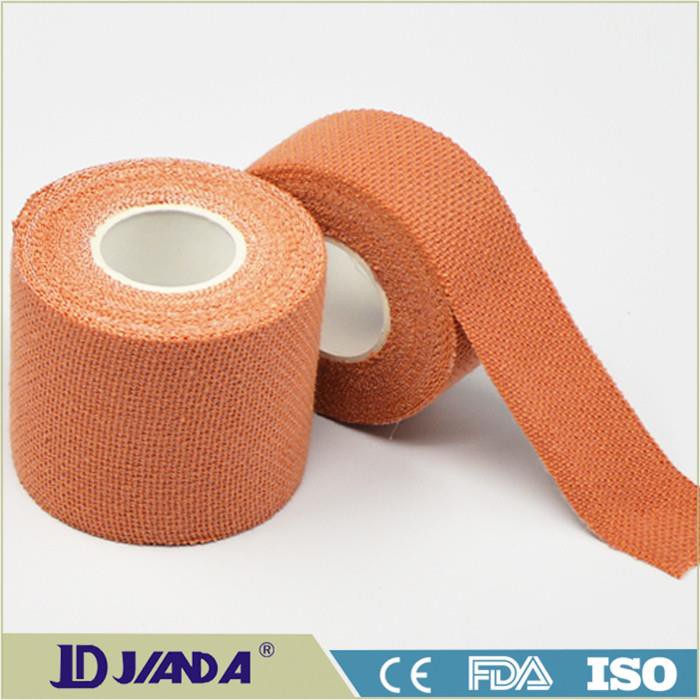
Types of Bandage
Elastic bandages
Also known as an ace bandage, an elastic bandage is made of stretchable material that can be wrapped tightly around an injured area to provide compression and support. It is commonly used to treat sprains, strains, and swelling.
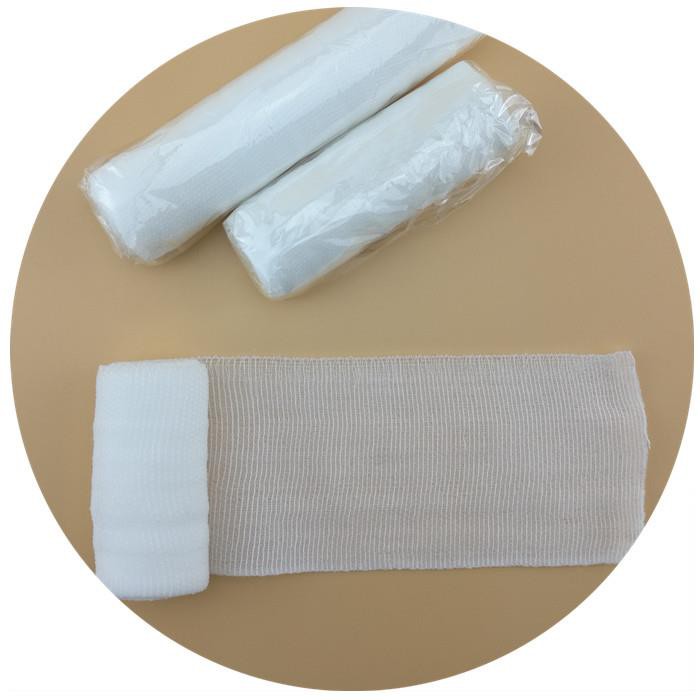
Gauze bandages
Gauze bandages are made of a soft, absorbent material that is ideal for covering wounds or injuries that may produce fluids or discharge. They are available in different sizes and shapes and can be used for a variety of injuries, including minor cuts, abrasions, and bruises.
Self-adherent bandages
Self-adherent bandages, also known as cohesive bandages, stick to themselves instead of sticking to the skin. They are easy to apply and remove, making them ideal for use on the go. These bandages are commonly used to treat sprains, strains, and swelling.
Tubular bandages
Tubular bandages are long, narrow tubes of elastic material that can be wrapped around a specific body part, such as an ankle or wrist. They are commonly used to provide support and compression to injured or swollen areas.
Knuckle bandages
Knuckle bandages are small, round bandages that are designed to cover and protect knuckles or other joints. They are ideal for use during sports or other activities that may cause friction or injury to the hands.
Bandages are a versatile and essential tool in the field of medicine and healthcare. They are used to support and protect injured or diseased parts of the body, and they come in various shapes, sizes, and materials to accommodate different types of wounds and injuries. One of the primary uses of bandages is to control bleeding from minor cuts or abrasions. Applying pressure with a bandage helps slow down blood flow and prevents excessive bleeding. Bandages act as a barrier between the wound and external contaminants, reducing the risk of infection. They also keep dirt and debris away from the wound, allowing it to heal properly. Bandages can provide compression and support to injured or swollen areas. Elastic bandages, for example, can be wrapped tightly around a sprained ankle to provide support and promote blood flow to the area. Bandages are commonly used in sports medicine to treat injuries such as sprains, strains, and swelling. Elastic bandages and self-adherent bandages are popular choices among athletes and trainers. Applying a bandage to a healing wound can help prevent scarring by reducing the tension on the skin as it heals. Bandages can also be used in palliative care to provide comfort and support to patients with chronic or terminal illnesses. Bandages are an essential component of wound management, allowing healthcare professionals to monitor the progress of healing and make adjustments to treatment as needed. Bandages are a staple in first aid kits, which are used to treat minor injuries and emergencies. They are easy to apply and remove, making them convenient for use at home, in the workplace, or while traveling.


Storing bandages correctly is essential to ensure they remain effective when needed. Bandages should be stored in a dry, clean, and cool place away from direct sunlight and moisture. A closet or drawer is an ideal location for storing bandages. Organizing bandages by type, size, and material makes it easy to find the right bandage when needed. You can use labeled containers or boxes to organize your bandages. Bandages should be kept dry to prevent mold and mildew growth. If a bandage gets wet, it should be thrown away and replaced with a new one. Chemicals such as gasoline, solvents, and pesticides can damage bandages and reduce their effectiveness. Storing bandages away from these chemicals is essential. Checking bandages regularly ensures they are in good condition and have not expired. Expired bandages should be thrown away and replaced with new ones. Keeping bandages separate from other items in your first aid kit prevents them from becoming dirty or damaged. When handling bandages, use clean hands, gloves, or utensils to prevent contamination. Storing bandages in a sealed container prevents them from becoming dusty or dirty. The bathroom is often humid and moist, which can cause bandages to become damp and moldy. Regularly replacing bandages ensures they are fresh and effective. It is also a good idea to check the expiration dates on bandages and replace them as needed.
How Do I Choose the Right Bandage for My Wound?
The size and shape of the wound will determine the type and size of the bandage you need. For example, a small cut may only require a small adhesive bandage, while a larger abrasion may require a non-adherent dressing and a secondary cover bandage.
The location of the wound is also an important factor to consider. A wound on a joint or a place that moves frequently may require a more flexible and durable bandage, such as an elastic bandage.
If the wound is exposed to water or moisture, you should choose a bandage that is designed for wet conditions, such as a waterproof adhesive bandage or a hydrogel dressing.
The risk of infection will depend on the type of wound and its location. For high-risk wounds, such as puncture wounds or animal bites, you should choose a bandage with antimicrobial properties.
The bandage should be comfortable and breathable to prevent skin irritation and promote healing. Avoid bandages that are too tight or too loose and choose materials that allow the skin to breathe, such as cotton or rayon.
The type of material used in the bandage will also affect its effectiveness. Non-adherent dressings allow for the removal of the bandage without removing the wound debris, while absorbent dressings can help manage drainage.
In some cases, it may be best to consult with a healthcare professional, such as a nurse or a doctor, to determine the appropriate bandage for your specific wound.
Reusing a bandage can be a controversial topic in wound care, as it depends on various factors, including the type of wound, the bandage material, and the level of cleanliness. The type of wound will play a significant role in determining if a bandage can be reused. For example, a bandage that has been used on a dirty or infected wound should not be reused to prevent the spread of bacteria or infection. The material of the bandage can also affect whether it is safe to reuse. Some materials, such as gauze or non-adherent dressings, are designed for multiple uses and can be safely reused if they are clean and not contaminated. On the other hand, adhesive bandages are designed for single use and are not recommended for reuse. If the bandage has been used and removed without contamination, it may be safe to reuse. However, if the bandage has become soiled or wet, it should be discarded and replaced with a new one. If a bandage needs to be stored for reuse, it should be kept in a clean, dry place away from contaminants. It is also important to label the bandage with the date it was used and the type of wound it was used on. In some cases, it may be best to consult with a healthcare professional, such as a nurse or a doctor, to determine if it is safe to reuse a bandage.
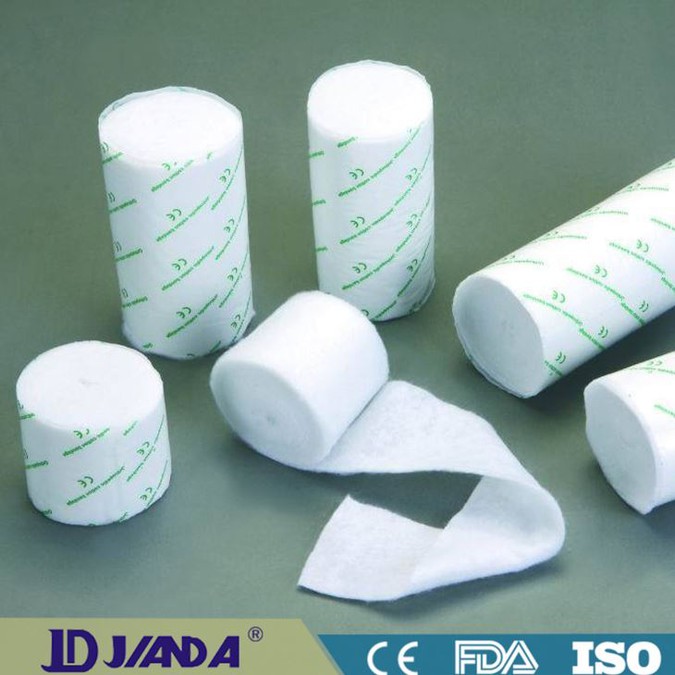

Changing a bandage is an essential part of wound care, and the frequency of changing the bandage will depend on various factors, including the type of wound, the bandage material, and the level of drainage or exudate. For minor wounds such as small cuts or abrasions, the bandage can usually be left in place for 24-48 hours before being replaced. If the wound starts to drain or become soiled, the bandage should be changed immediately. For moderate wounds such as larger abrasions or surgical wounds, the bandage may need to be changed more frequently, such as every 1-2 days. If there is significant drainage or exudate, the bandage may need to be changed more often. For heavy wounds such as severe infections or deep wounds, the bandage may need to be changed daily or even more frequently, depending on the level of drainage or exudate. The material of the bandage may also affect how often it needs to be changed. Non-adherent dressings can be removed and replaced without disrupting the wound bed, allowing for more frequent changes if necessary. Adhesive bandages are usually designed for single use and should be replaced with a new one each time. If there are signs of infection, such as redness, warmth, or pus, the bandage should be removed immediately and the wound assessed by a healthcare professional.
Showering or bathing with a bandage on can be a common concern for individuals with wounds or injuries. The decision to shower or bathe with a bandage on will depend on various factors, including the type of wound, the bandage material, and the level of drainage or exudate. For minor wounds such as small cuts or abrasions, it is usually safe to shower or bathe with a water-resistant or waterproof bandage on. However, it is important to avoid submerging the wound in water or Jacuzzis, as this can increase the risk of infection. For moderate wounds such as larger abrasions or surgical wounds, it may be best to avoid getting the wound wet until it has had time to heal. If bathing or showering is necessary, it is recommended to use a water-resistant or waterproof bandage and cover the wound with a secondary dressing. For heavy wounds such as severe infections or deep wounds, it is usually best to avoid getting the wound wet until it has been assessed by a healthcare professional. If bathing or showering is necessary, it is recommended to consult with a healthcare professional for appropriate wound care. The material of the bandage will also affect whether it is safe to shower or bathe with a bandage on. Water-resistant or waterproof bandages are designed for wet conditions and can be safely used for bathing or showering. However, it is important to ensure that the bandage is applied properly and that the wound is not exposed to prolonged water exposure. If there are signs of infection, such as redness, warmth, or pus, it is recommended to avoid showering or bathing until the wound has been assessed by a healthcare professional. In some cases, it may be best to consult with a healthcare professional, such as a nurse or a doctor, to determine whether it is safe to shower or bathe with a bandage on, especially for complex wounds or chronic conditions.


Cutting a bandage to fit a specific size can be a common practice, but it is important to consider various factors before making any modifications to a bandage. The material of the bandage will play a significant role in determining if it is safe to cut. Some materials, such as gauze or non-adherent dressings, are designed for multiple uses and can be safely cut to size if they are clean and not contaminated. On the other hand, adhesive bandages are designed for single use and are not recommended for cutting. The size and shape of the wound will also affect whether it is safe to cut a bandage. If the wound is small and round, a circular bandage may be the best option. However, if the wound is larger or has irregular edges, a rectangular bandage may be more suitable. The level of drainage or exudate from the wound will also affect whether it is safe to cut a bandage. If there is significant drainage or exudate, it may be best to leave the bandage intact to avoid disrupting the wound bed. If there are signs of infection, such as redness, warmth, or pus, it is recommended to avoid cutting the bandage and to consult with a healthcare professional. In some cases, it may be best to consult with a healthcare professional, such as a nurse or a doctor, to determine if it is safe to cut a bandage.
Applying a bandage to a bleeding wound is a common first aid measure that can help control bleeding and promote healing. However, it is important to remember that the application of a bandage should only be done when it is safe to do so and when it is appropriate for the type of wound that is present. Before applying a bandage, it is important to assess the wound and determine the severity of the injury. If the wound is severe or life-threatening, it may be necessary to seek emergency medical assistance first. Before applying the bandage, it is important to try to stop the bleeding. This can be done by applying direct pressure to the wound with a clean, dry cloth or dressing. Once the bleeding has slowed or stopped, it is safe to apply the bandage. The type of bandage used will depend on the type of wound and the level of bleeding. For minor wounds, a simple adhesive bandage may be sufficient. For more severe wounds, a non-adherent dressing may be necessary to avoid disrupting the wound bed. Once the bleeding has slowed or stopped, the bandage can be applied. It is important to ensure that the bandage is applied snugly but not too tightly, as this can cut off blood flow to the area. After applying the bandage, it is important to monitor the wound and check for signs of infection, such as redness, warmth, or pus. In some cases, it may be best to consult with a healthcare professional, such as a nurse or a doctor, to determine the appropriate course of action for wound care.

Applying a bandage to a sprained joint can be a useful first aid measure to help reduce pain and swelling, as well as to support the joint during recovery. However, it is important to remember that the application of a bandage should only be done when it is safe to do so and when it is appropriate for the severity of the sprain. Before applying a bandage, it is important to assess the severity of the sprain. Mild sprains may only require a compression bandage, while more severe sprains may require additional support, such as a splint or brace. Before applying the bandage, it is recommended to apply ice to the sprain for 15-20 minutes to help reduce pain and swelling. The ice can be applied in the form of a cold compress, ice pack, or even a bag of frozen vegetables. The type of bandage used will depend on the severity of the sprain. For mild sprains, a compression bandage may be sufficient. For more severe sprains, a brace or splint may be necessary to provide additional support. Once the ice has been applied, the bandage can be applied. It is important to ensure that the bandage is applied snugly but not too tightly, as this can cut off blood flow to the area. After applying the bandage, it is important to monitor the sprain and check for signs of infection, such as redness, warmth, or pus. In some cases, it may be best to consult with a healthcare professional, such as a nurse or a doctor, to determine the appropriate course of action for sprain care.
Sleeping with a bandage on can depend on the type of injury and the type of bandage that is applied. In general, it is safe to sleep with a bandage on as long as the bandage is not causing any discomfort or restricting blood flow to the area. Before going to bed, it is important to check the area covered by the bandage for any signs of infection, such as redness, warmth, or pus. If any of these signs are present, it may be best to remove the bandage and consult with a healthcare professional. The type of bandage used can affect whether it is safe to sleep with it on. For example, a compression bandage that is too tight can restrict blood flow to the area, which can cause discomfort or even damage to the area. It is important to choose the right type of bandage for the injury and to ensure that it is not too tight. If the bandage is too tight, it can cause discomfort or even restrict blood flow to the area. Before going to bed, it may be helpful to loosen the bandage slightly to ensure that it is not too tight. If the bandage has been on for more than a day or two, it may be time to change it. A dirty or wet bandage can increase the risk of infection, so it is important to change the bandage regularly. In some cases, it may be best to consult with a healthcare professional, such as a nurse or a doctor, to determine if it is safe to sleep with a bandage on.

Our factory
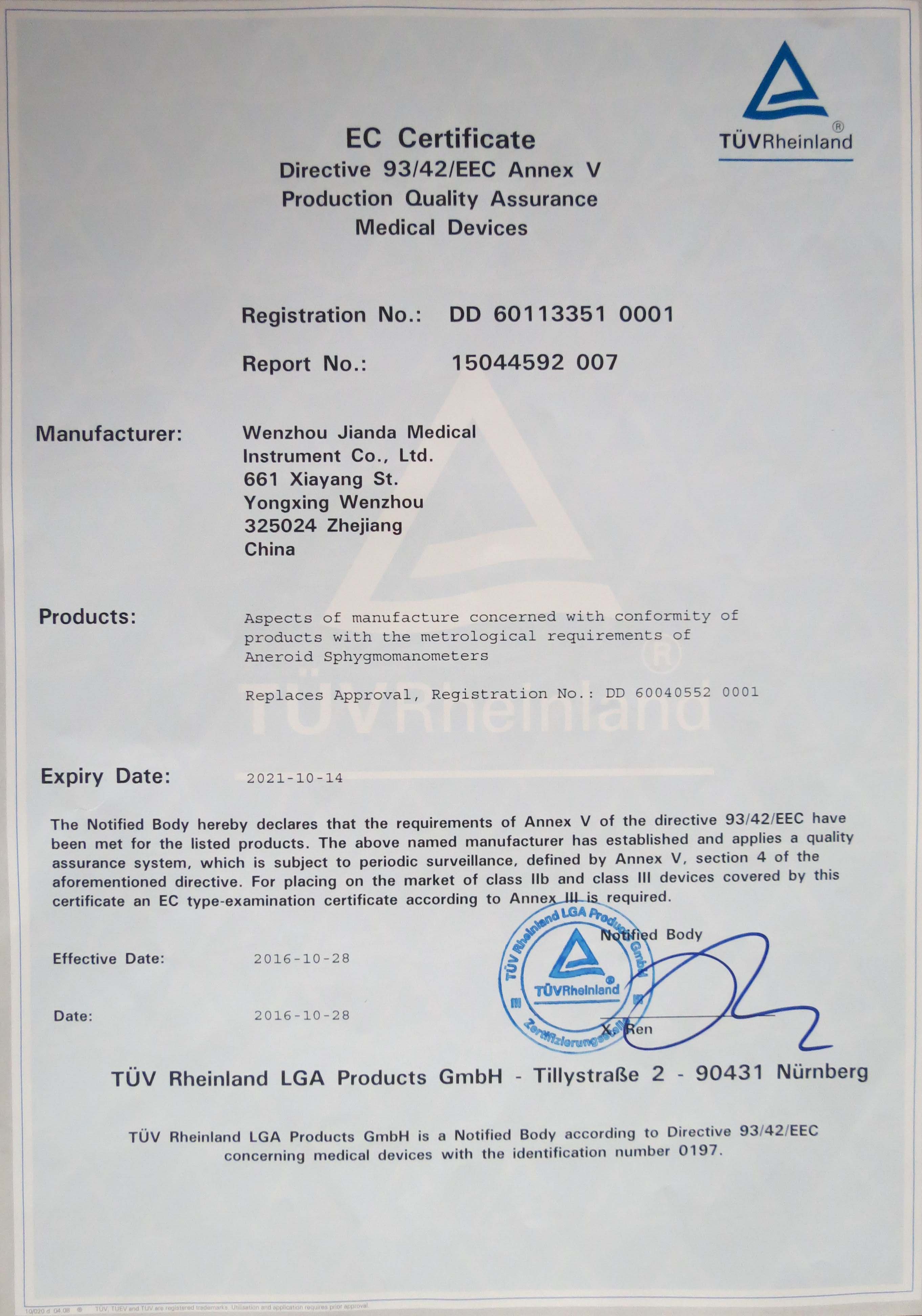
Wenzhou Jianda Medical Instrument Co.,Ltd. is a manufacturer and supplier of aneroid sphygmomanometer, stethoscope and other medical instruments such as digital blood pressure monitor,digital thermometer, medical device accessories. We produce more than 500,000 sets of sphygmomanometers and stethoscopes every year and our products have been exported to USA, EEC and many other countries.
Our Certificate

FAQ
Q: What are the different types of bandages?
Q: How do I choose the right bandage for my wound?
Q: How often should I change a bandage?
Q: Can I shower or bathe with a bandage on?
Q: Can I swim with a bandage on?
Q: Can I apply ointment or medication under a bandage?
Q: Can I cut a bandage to fit a specific size?
Q: Can I apply a bandage to a bleeding wound?
Q: Can I apply a bandage to a burn?
Q: Can I apply a bandage to a sprained joint?
Q: Can I apply a bandage to a surgical incision?
Q: Can I apply a bandage to a blister?
Q: Can I apply a bandage to a child?
Q: Can I sleep with a bandage on?
Q: Can I exercise or engage in physical activities with a bandage on?
Q: Can I apply a bandage over stitches?
Q: Can I apply a bandage to a chronic wound?
Q: Can I apply a bandage to a tattoo?
Q: Can I apply a bandage to a nosebleed?
Q: Can I apply a bandage to a wound that is infected?