

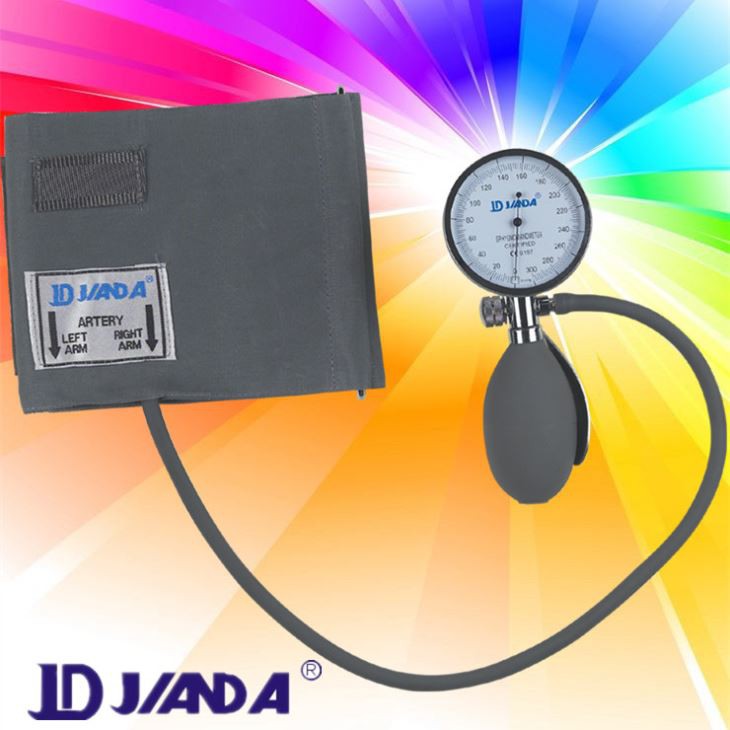
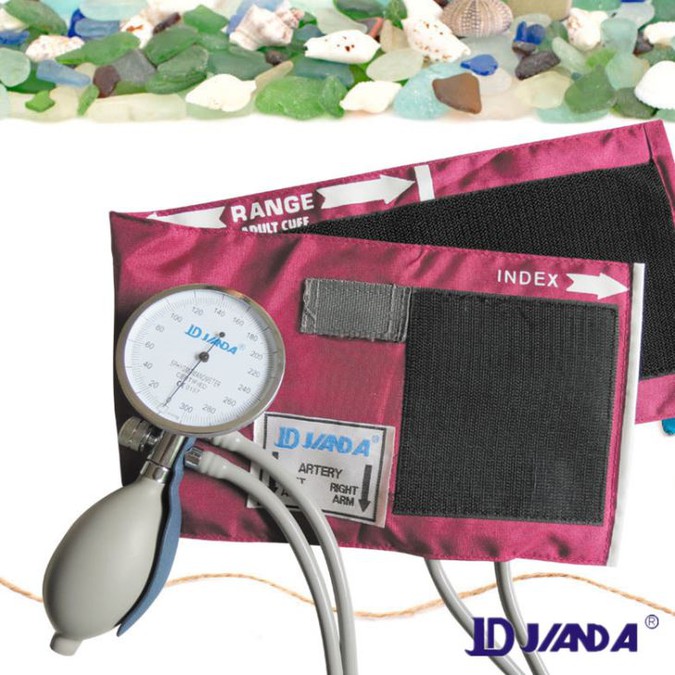
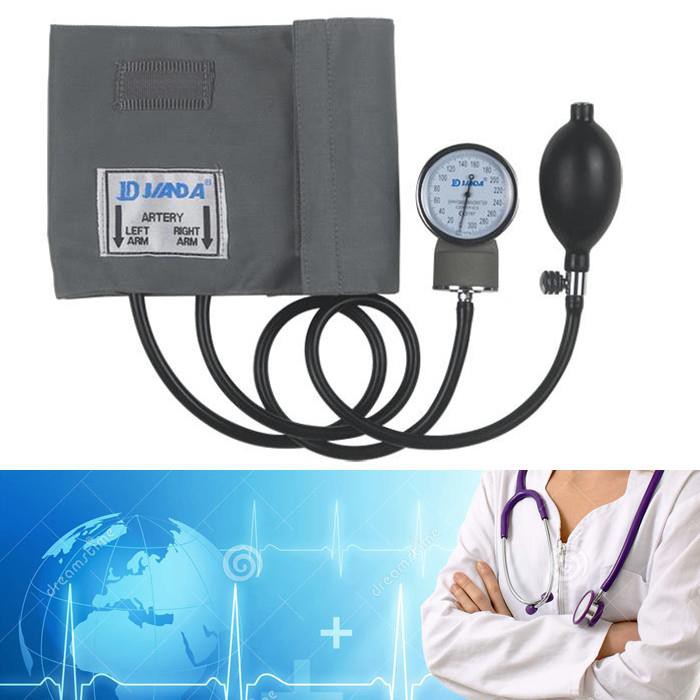
An aneroid sphygmomanometer is a medical device used to measure blood pressure. It consists of an inflatable cuff, a pressure-measuring device, and a stethoscope. The cuff is wrapped around the patient's arm and inflated to block the flow of blood. The pressure-measuring device, which contains a dial or digital display, is then used to gradually deflate the cuff. As the cuff pressure decreases, the first sound heard through the stethoscope indicates the systolic pressure, and the last sound indicates the diastolic pressure. An aneroid sphygmomanometer is a reliable tool for monitoring blood pressure and is commonly used in healthcare settings and homes.
Why Choose Us
High quality
Our products are manufactured or executed to a very high standard, using the finest materials and manufacturing processes.
Advanced equipment
A machine, tool or instrument designed with advanced technology and functionality to perform highly specific tasks with greater precision, efficiency and reliability.
Quality control
We have built a professional quality control team to accurately inspect every raw material and every production process.
Professional team
Our professional team collaborates and communicates effectively with each other, and is dedicated to delivering high quality results. We are capable of handling complex challenges and projects that require our specialized expertise and experience.
Customized services
We understand that each customer has unique manufacturing needs. That’s why we offer customization options to cater to your specific requirements.
24H online service
We try and respond to all concerns within 24 hours and our teams are always at your disposal in case of any emergencies.


Advantages of Aneroid Sphygmomanometer
Highly portable
Firstly, aneroid sphygmomanometers are highly portable. Unlike mercury sphygmomanometers, which are heavy and bulky, aneroid versions are compact and lightweight. This makes them ideal for use in a variety of settings, including homes, clinics, and hospitals. They can also be easily transported for use in remote or field settings.
Safer
Secondly, aneroid sphygmomanometers are safer than mercury versions. Mercury is a hazardous substance that can be toxic if ingested or inhaled. It can also be damaging to the environment. In contrast, aneroid sphygmomanometers do not contain any mercury, making them a safer choice for both users and the environment.
Cost-effective
Thirdly, aneroid sphygmomanometers are more cost-effective in the long run. While the initial cost of purchasing an aneroid sphygmomanometer may be higher than that of a mercury version, the ongoing costs associated with maintenance and replacement are lower. An aneroid sphygmomanometer requires less frequent calibration and replacement of parts, making it a more cost-effective option in the long term.
Easy to use
Fourthly, aneroid sphygmomanometers are easy to use and read. The clear dial displays the pressure levels, making it simple for users to obtain their blood pressure readings. This is especially important for individuals who need to monitor their blood pressure regularly, such as those with hypertension or other cardiovascular conditions.
Types of Aneroid Sphygmomanometer
Manual aneroid sphygmomanometers
These are the most basic type of aneroid sphygmomanometer. They consist of a dial or gauge that measures pressure, a cuff that is manually inflated and deflated, and a stethoscope for listening to the sounds produced by the blood flow.
Digital aneroid sphygmomanometers
These are more advanced versions of manual aneroid sphygmomanometers. They use digital technology to measure pressure, which provides more accurate and precise readings. Digital aneroid sphygmomanometers also typically have a backlit display that makes it easier to read the pressure levels in low light conditions.
Automatic aneroid sphygmomanometers
These are the most advanced type of aneroid sphygmomanometer. They use electronic sensors to automatically inflate and deflate the cuff, and to measure pressure. Automatic aneroid sphygmomanometers can provide rapid and accurate blood pressure readings, making them ideal for use in busy medical settings.
Portable aneroid sphygmomanometers
These are small and lightweight versions of aneroid sphygmomanometers that are designed for use outside of a medical setting. They are ideal for use at home or while traveling, and they typically have a manual or automatic inflation/deflation mechanism.
Integrated aneroid sphygmomanometers
These are a combination of an aneroid sphygmomanometer and a digital scale. They can be used to measure both blood pressure and weight, making them ideal for use in healthcare settings where both measurements are important.
Application of Aneroid Sphygmomanometer
Clinical diagnosis
The aneroid sphygmomanometer is commonly used in clinical settings to diagnose hypertension, hypotension, or other cardiovascular conditions. It provides accurate and reliable measurements that help healthcare professionals make informed decisions about patient care.
Home monitoring
Patients with chronic conditions such as hypertension or diabetes may need to monitor their blood pressure regularly. The aneroid sphygmomanometer is ideal for home use as it is easy to use and provides reliable measurements.
Emergency care
In emergency situations, healthcare professionals need to quickly assess a patient's blood pressure to determine the severity of the condition. The aneroid sphygmomanometer is lightweight and portable, making it ideal for use in emergency settings.
Sports medicine
Athletes may require regular blood pressure monitoring to ensure that they are in optimal health. The aneroid sphygmomanometer is suitable for use in sports medicine settings as it provides accurate and reliable measurements.
Research studies
Researchers may require blood pressure measurements for their studies. The aneroid sphygmomanometer is an ideal tool for collecting accurate and reliable data for research purposes.
Storing an aneroid sphygmomanometer properly is essential to ensure its longevity and accurate performance. The storage place should be away from moisture and extreme temperatures. Avoid storing it in direct sunlight, near radiators, or in places with high humidity. Wipe the cuff and the dial with a soft, lint-free cloth after each use. Do not immerse the device in water or use solvents to clean it. Inflate the cuff to about half of its capacity before storing it. This will prevent the rubber bladder from sticking to the cuff material and ensure that the device is ready for use when needed. Many aneroid sphygmomanometers come with a carrying case. If yours does not, consider purchasing a case to protect the device from dust, dirt, and damage. The stethoscope should be stored separately from the sphygmomanometer to prevent damage to the tubing and earpieces. Regularly check the device for any signs of damage or wear and tear, and have it serviced by a professional as needed. By following these steps, you can ensure that your aneroid sphygmomanometer remains in good working condition and provides accurate measurements when needed. Remember to always handle the device with care, and store it in a location that is easily accessible but out of the way of potential damage. With proper care and maintenance, your aneroid sphygmomanometer should provide you with years of reliable service.

Aneroid sphygmomanometers are medical devices used to measure blood pressure. They consist of an inflatable cuff, a pressure-measuring device, and a stethoscope. The stethoscope is used to listen to the sounds produced by the blood flow in the patient's arm as the cuff is deflated. However, in noisy environments, it can be challenging to hear the blood flow sounds, which can affect the accuracy of the blood pressure measurement. So, are aneroid sphygmomanometers suitable for use in noisy environments? The answer is yes, but with some limitations. Firstly, the stethoscopes used with aneroid sphygmomanometers are not designed to block out external noise. Therefore, in noisy environments, it can be difficult to hear the blood flow sounds accurately. To overcome this challenge, healthcare professionals can use earplugs or earmuffs to protect their ears from the loud noise and enhance their ability to hear the blood flow sounds. Secondly, in noisy environments, healthcare professionals need to take extra precautions to ensure accurate blood pressure measurements. They should ensure that the patient's arm is supported and that the cuff is correctly positioned. They should also ensure that the device is calibrated correctly and that they are using the correct technique to take the measurement. Thirdly, in noisy environments, it may be necessary to take multiple measurements to obtain accurate blood pressure readings. This is because external noise can affect the accuracy of the measurement, and taking multiple measurements can help to compensate for any errors.
Aneroid sphygmomanometers are medical devices used to measure blood pressure. They are commonly used in healthcare settings and are also available for home use. High blood pressure, also known as hypertension, is a condition in which the pressure of the blood against the walls of the arteries is consistently too high. It is a major risk factor for heart disease, stroke, and other health problems. Therefore, it is important to monitor blood pressure regularly, especially for individuals with high blood pressure. So, can aneroid sphygmomanometers be used by individuals with high blood pressure? The answer is yes, but with some considerations. Firstly, aneroid sphygmomanometers are accurate and reliable devices for measuring blood pressure. They are commonly used in healthcare settings and are also suitable for home use. However, it is important to ensure that the device is calibrated correctly and used correctly to obtain accurate measurements. Secondly, individuals with high blood pressure need to monitor their blood pressure regularly. An aneroid sphygmomanometer can be a useful tool for this purpose, as it allows individuals to monitor their blood pressure in the comfort of their own homes. This can help individuals to identify any changes in their blood pressure and to take action to manage their condition. Thirdly, it is important for individuals with high blood pressure to follow the correct technique when using an aneroid sphygmomanometer. This includes ensuring that the cuff is correctly positioned on the arm, inflating the cuff to the correct pressure, and listening for the correct sounds through the stethoscope. Proper technique can help to ensure accurate measurements and reduce the risk of errors.
How Does an Aneroid Sphygmomanometer Work?
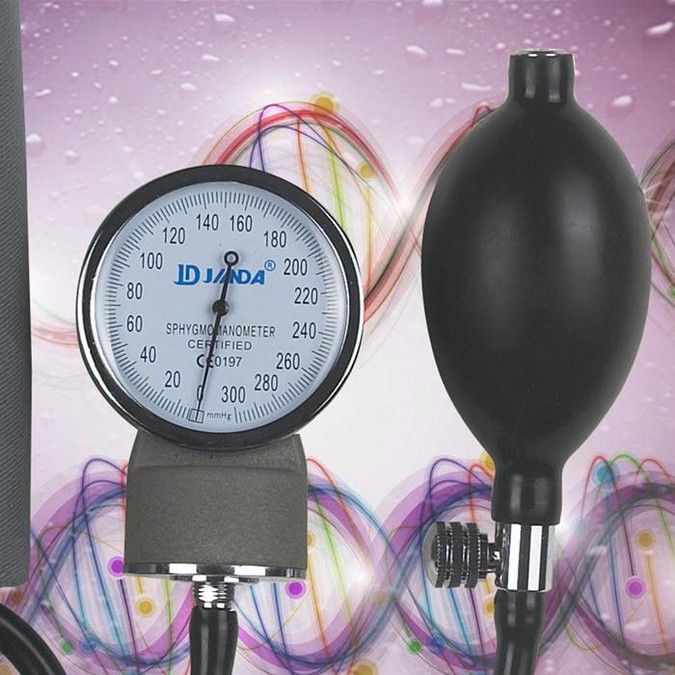
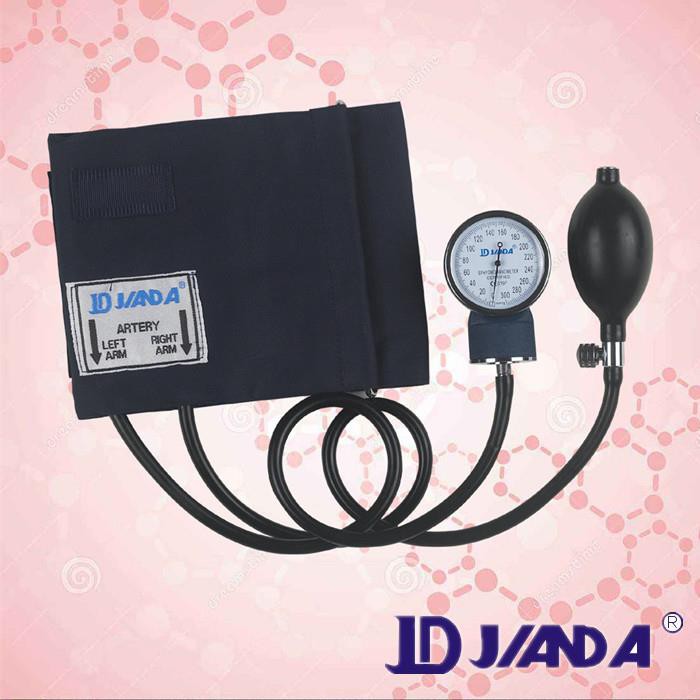
An aneroid sphygmomanometer is a medical device used to measure blood pressure. It consists of an inflatable cuff, a pressure-measuring device, and a stethoscope. The device works by inflating the cuff around the patient's arm and then gradually deflating it while listening for the sounds produced by the blood flow in the patient's arm. The inflatable cuff is made of a durable material and contains a bladder that can be inflated by a pump. The pressure-measuring device, also known as the dial, is calibrated to measure the pressure in the cuff as it is inflated and deflated. The stethoscope is used to listen to the sounds produced by the blood flow in the patient's arm as the cuff is deflated. To use an aneroid sphygmomanometer, the healthcare professional first inflates the cuff to a pressure that is higher than the patient's systolic blood pressure, which is the pressure at which the heart beats and pushes blood through the blood vessels. The healthcare professional then slowly deflates the cuff while listening to the sounds produced by the blood flow in the patient's arm through the stethoscope. As the cuff pressure decreases, the first sound heard through the stethoscope indicates the systolic blood pressure. The healthcare professional then continues to deflate the cuff until the sounds disappear, at which point the diastolic blood pressure is reached. The systolic and diastolic pressures are then recorded as the patient's blood pressure reading. The aneroid sphygmomanometer is a reliable and accurate device for measuring blood pressure. It is commonly used in healthcare settings and is also available for home use.
Yes, aneroid sphygmomanometers are accurate medical devices used to measure blood pressure. They consist of an inflatable cuff, a pressure-measuring device, and a stethoscope. The device works by inflating the cuff around the patient's arm and then gradually deflating it while listening for the sounds produced by the blood flow in the patient's arm. The accuracy of an aneroid sphygmomanometer depends on several factors, including the calibration of the device, the technique used to take the measurement, and the patient's condition. When used and maintained properly, aneroid sphygmomanometers provide accurate and reliable blood pressure measurements. The calibration of the device is a crucial factor in determining its accuracy. Aneroid sphygmomanometers should be calibrated regularly to ensure that they provide accurate measurements. Calibration involves comparing the device's readings with a known standard, such as a mercury sphygmomanometer, to ensure that they are within acceptable limits. The technique used to take the measurement is another factor that can affect the accuracy of an aneroid sphygmomanometer. Healthcare professionals should follow the correct technique when using the device, including ensuring that the cuff is correctly positioned on the arm, inflating the cuff to the correct pressure, and listening for the correct sounds through the stethoscope. Proper technique can help to ensure accurate measurements and reduce the risk of errors. The patient's condition can also affect the accuracy of an aneroid sphygmomanometer. Patients with certain medical conditions, such as arrhythmias or irregular heartbeats, may have difficulty getting accurate blood pressure readings with an aneroid sphygmomanometer. In such cases, alternative methods of measuring blood pressure, such as automatic blood pressure monitors, may be more appropriate.
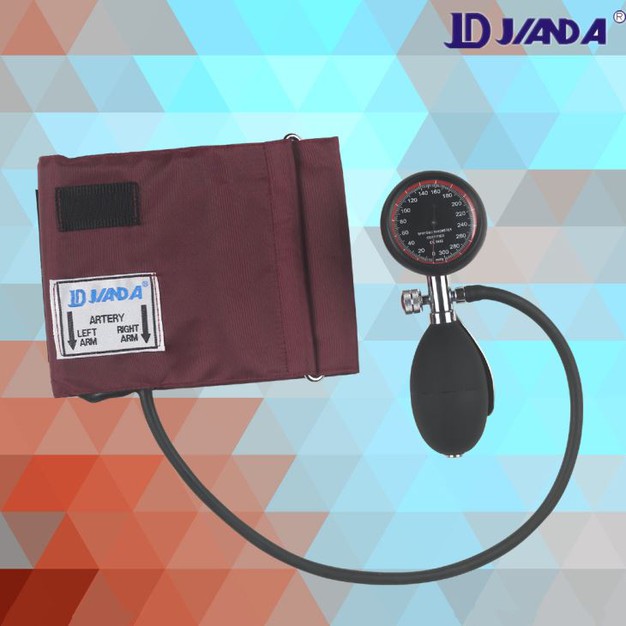
Choosing the right cuff size for an aneroid sphygmomanometer is crucial for accurate blood pressure measurement. The cuff size should be appropriate for the patient's arm size to ensure that the measurement is accurate and reliable. The general rule for choosing the right cuff size is that the bladder of the cuff should cover at least two-thirds of the patient's upper arm circumference. The cuff size should be chosen based on the patient's arm size, not their height or weight. There are three standard cuff sizes: adult, pediatric, and neonatal. Adult cuffs are typically used for patients over 12 years old and have a bladder width of 12 inches or more. Pediatric cuffs are used for children between the ages of 2 and 12 years old and have a bladder width ranging from 6 to 10 inches. Neonatal cuffs are used for newborns and infants and have a bladder width of less than 6 inches. When choosing the right cuff size, it is important to measure the patient's upper arm circumference to determine which cuff size is appropriate. The measurement should be taken midway between the elbow and the armpit with a flexible measuring tape. Once the measurement is taken, the healthcare professional should choose the cuff size that covers at least two-thirds of the patient's upper arm circumference. Using the wrong cuff size can result in inaccurate blood pressure measurements. If the cuff is too small, it may not fully cover the patient's arm, and the measurement may be higher than the actual blood pressure. If the cuff is too large, it may not apply adequate pressure to the patient's arm, and the measurement may be lower than the actual blood pressure. In addition to choosing the right cuff size, it is important to ensure that the cuff is properly positioned on the patient's arm. The cuff should be positioned midway between the elbow and the armpit, with the bladder of the cuff against the skin. The patient's arm should be supported at heart level during the measurement to ensure accurate results.
Use of an aneroid sphygmomanometer at home depends on several factors, including the purpose of the device, the user's expertise and specific health conditions. An aneroid sphygmomanometer is a blood pressure measurement device that uses an aneroid barometer to measure blood vessel pressure. These devices are often used in medical settings to assess cardiovascular health and diagnose underlying conditions such as high blood pressure or low blood pressure. For home use, an aneroid sphygmomanometer can be a convenient tool for monitoring changes in blood pressure over time, especially for people with chronic illnesses or those who want to proactively manage their health. However, it is important to note that accurate readings depend on the correct use and calibration of the device, as well as factors such as the user's posture and relaxation state during the measurement. Before using an aneroid sphygmomanometer at home, it is necessary to understand the operation of the device and how to take measurements correctly. Users should follow the manufacturer's instructions and ensure that the equipment is regularly calibrated and maintained according to the manufacturer's recommendations. Additionally, it is important to consider the specific health status of the individual using the device in the home. If you have a history of cardiovascular disease or other health problems, it is recommended to consult your healthcare provider before using a blood pressure monitor at home. The provider can provide guidance on how to use the device properly, as well as interpretation of the readings and any necessary follow-up care.

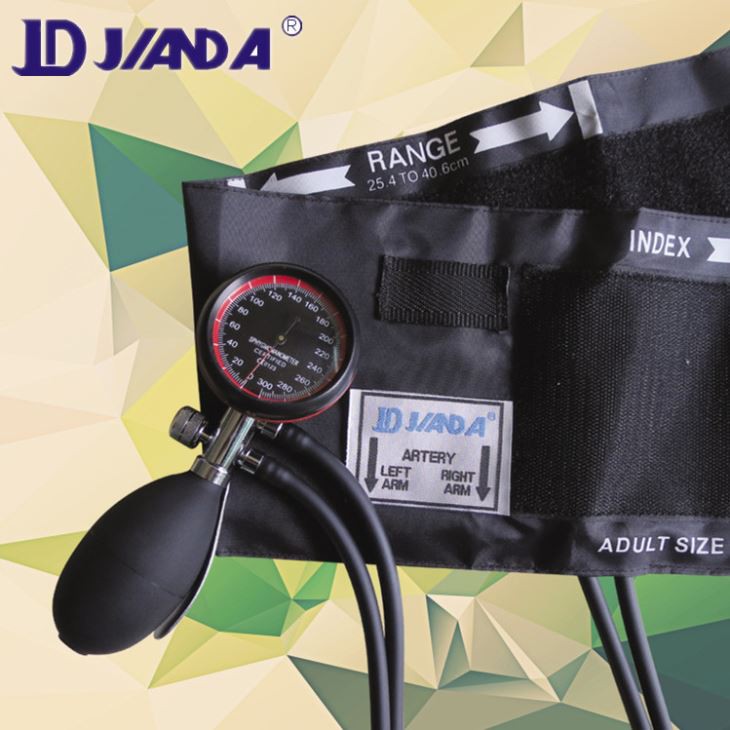
Yes, aneroid sphygmomanometers can be used on children, but it is important to use the appropriate cuff size for the child's arm circumference to ensure accurate blood pressure measurement. Recommends using a pediatric-sized cuff for children between the ages of 2 and 12 years old, with a bladder width ranging from 6 to 10 inches. For newborns and infants, a neonatal-sized cuff with a bladder width of less than 6 inches should be used. When using an aneroid sphygmomanometer on children, it is important to follow the correct technique to ensure accurate measurements. The healthcare professional should first measure the child's upper arm circumference to determine the appropriate cuff size. The cuff should be positioned midway between the elbow and the armpit, with the bladder of the cuff against the skin. The patient's arm should be supported at heart level during the measurement to ensure accurate results. It is also important to consider the child's age and cooperation level when taking the blood pressure measurement. Young children may be restless or afraid, which can affect the accuracy of the measurement. In such cases, it may be helpful to use a distraction technique, such as playing a game or watching a video, to keep the child still during the measurement. In addition to using the appropriate cuff size and following the correct technique, it is important to ensure that the aneroid sphygmomanometer is properly maintained and calibrated to ensure accurate measurements. Regular maintenance checks and proper storage of the device are also important to ensure the longevity and accuracy of the device.
Cleaning an aneroid sphygmomanometer is an important step in maintaining the accuracy and longevity of the device. Regular cleaning can help prevent the buildup of dust, dirt, and other debris that can affect the performance of the device and potentially lead to inaccurate blood pressure measurements. Before cleaning the device, disconnect the hose from the pressure bulb to prevent any fluid from entering the device. Use a soft, lint-free cloth to wipe down the device, including the pressure bulb, dial, and cuff. Avoid using harsh chemicals or abrasive materials, as they can damage the device. Use a small, soft brush to clean any debris or dust that may have accumulated on the pressure bulb. Avoid getting water or other fluids on the bulb, as this can damage the device. The cuff of the sphygmomanometer can be machine washed on a gentle cycle with mild soap and then air dried. Avoid using bleach or fabric softeners, as they can damage the cuff material. Once the device has been cleaned, reconnect the hose to the pressure bulb and check that all components are working properly. It is also important to periodically check the accuracy of the device by comparing its readings with a known standard, such as a mercury sphygmomanometer, to ensure that it is providing accurate measurements. In addition to regular cleaning, it is important to store the aneroid sphygmomanometer in a dry, clean place away from direct sunlight and extreme temperatures. This can help prevent damage to the device and ensure that it remains in good working condition.
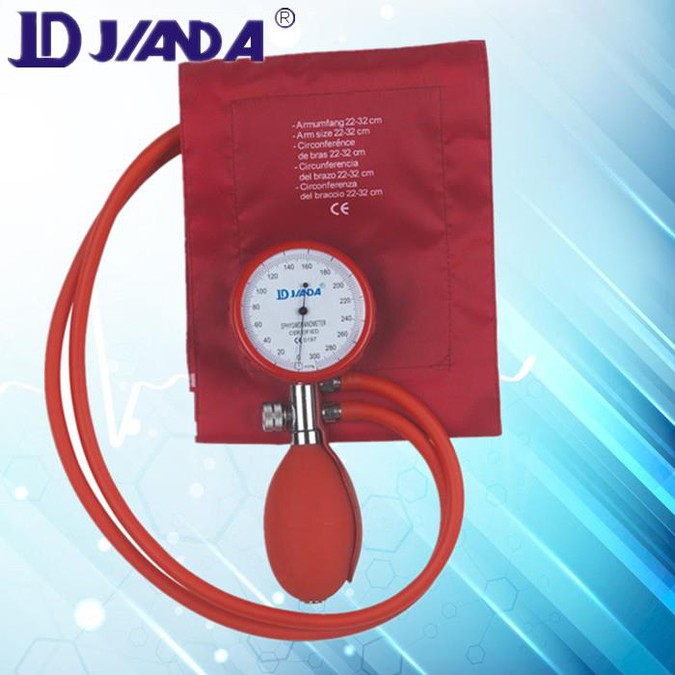
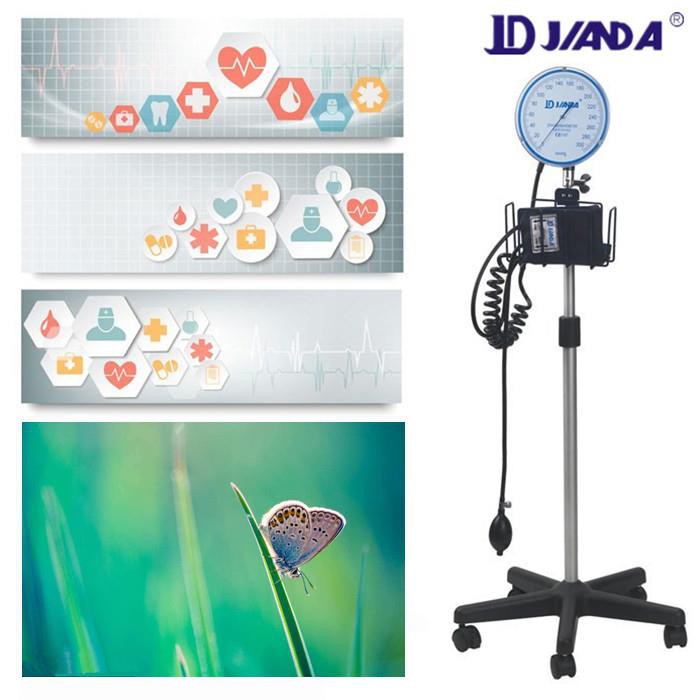
Measuring blood pressure with an aneroid sphygmomanometer typically takes between 1-3 minutes. The actual measurement time can vary depending on several factors, including the patient's arm size, the healthcare professional's experience, and the accuracy of the device. The process of measuring blood pressure with an aneroid sphygmomanometer involves inflating a cuff around the patient's upper arm and then deflating the cuff while listening for sounds using a stethoscope. The healthcare professional will start inflating the cuff to a level above the patient's systolic blood pressure, which is the pressure at which the heart pumps blood into the arteries. The cuff will be slowly deflated, and the healthcare professional will listen for sounds using the stethoscope. The systolic blood pressure is recorded when the first sound is heard, and the diastolic blood pressure is recorded when the last sound is heard. The time it takes to measure blood pressure with an aneroid sphygmomanometer can be affected by several factors. For example, if the patient has a large arm, a larger cuff may be needed, which can take longer to inflate and deflate. Additionally, if the healthcare professional is not experienced in using the device, it may take longer to obtain an accurate measurement. It is important to ensure that the aneroid sphygmomanometer is properly maintained and calibrated to ensure accurate measurements. Regular maintenance checks and proper storage of the device are also important to ensure the longevity and accuracy of the device.
Yes, aneroid sphygmomanometers can be used on the wrist to measure blood pressure. This method of blood pressure measurement is commonly used in situations where the use of a traditional aneroid sphygmomanometer on the arm is not feasible or comfortable for the patient, such as in cases of limited mobility, edema, or injury. When using an aneroid sphygmomanometer on the wrist, it is important to use the appropriate cuff size for the patient's wrist circumference to ensure accurate blood pressure measurement. The cuff should be positioned around the patient's wrist, with the bladder of the cuff against the skin. The patient's arm should be supported at heart level during the measurement to ensure accurate results. To measure blood pressure on the wrist with an aneroid sphygmomanometer, the healthcare professional will inflate the cuff to a level above the patient's systolic blood pressure, which is the pressure at which the heart pumps blood into the arteries. The cuff will be slowly deflated, and the healthcare professional will listen for sounds using the stethoscope. The systolic blood pressure is recorded when the first sound is heard, and the diastolic blood pressure is recorded when the last sound is heard. The time it takes to measure blood pressure on the wrist with an aneroid sphygmomanometer can vary depending on several factors, including the patient's wrist size, the healthcare professional's experience, and the accuracy of the device. It is important to ensure that the aneroid sphygmomanometer is properly maintained and calibrated to ensure accurate measurements. Regular maintenance checks and proper storage of the device are also important to ensure the longevity and accuracy of the device.
Our factory
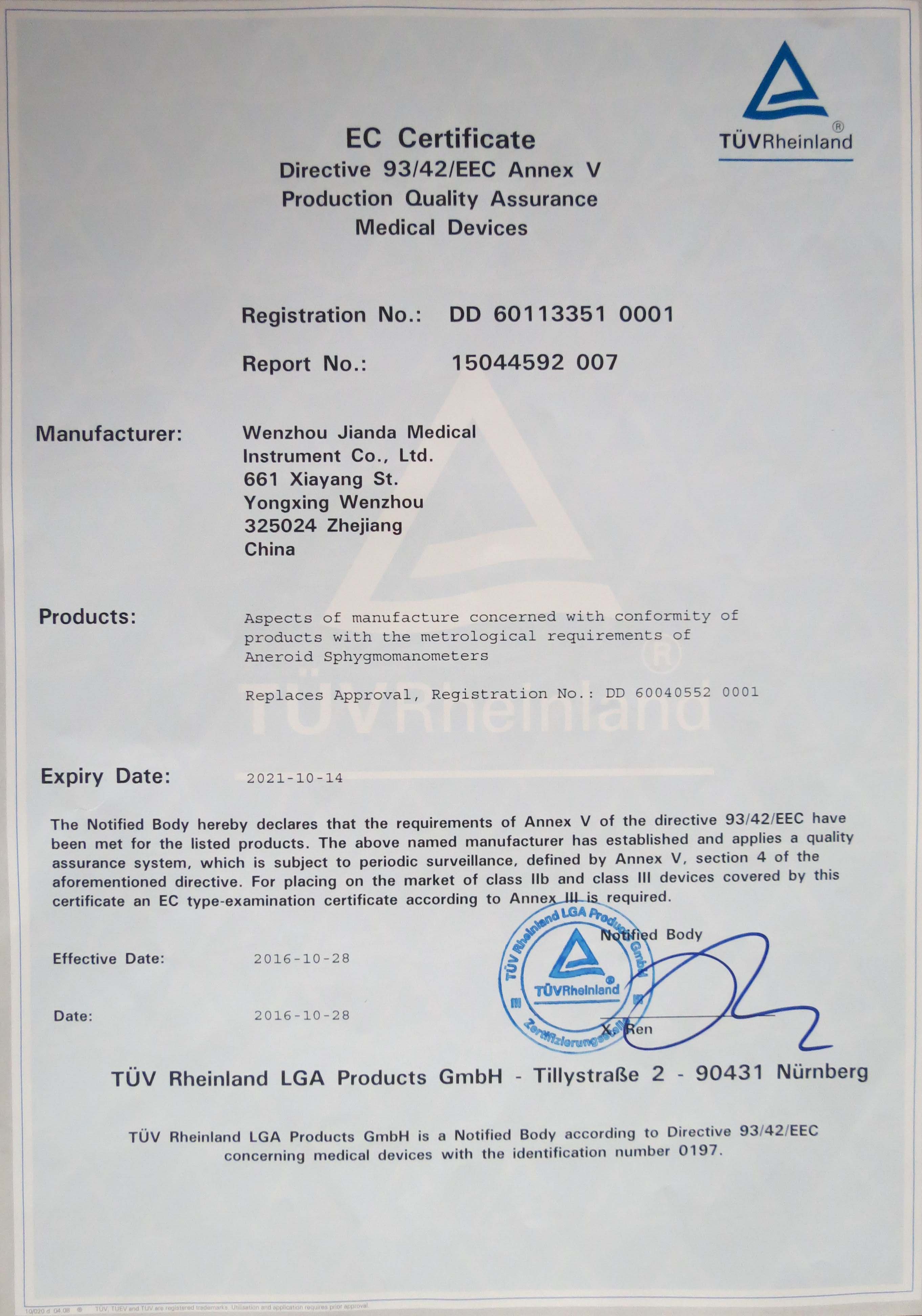
Wenzhou Jianda Medical Instrument Co.,Ltd. is a manufacturer and supplier of aneroid sphygmomanometer, stethoscope and other medical instruments such as digital blood pressure monitor,digital thermometer, medical device accessories. We produce more than 500,000 sets of sphygmomanometers and stethoscopes every year and our products have been exported to USA, EEC and many other countries.
Our Certificate

FAQ
Q: What is an aneroid sphygmomanometer?
Q: How does an aneroid sphygmomanometer work?
Q: Are aneroid sphygmomanometers accurate?
Q: How often should an aneroid sphygmomanometer be calibrated?
Q: Can aneroid sphygmomanometers be used at home?
Q: Are aneroid sphygmomanometers portable?
Q: How do I choose the right cuff size for an aneroid sphygmomanometer?
Q: Can aneroid sphygmomanometers be used on children?
Q: Are aneroid sphygmomanometers suitable for people with hearing impairments?
Q: Can aneroid sphygmomanometers be used by individuals with visual impairments?
Q: How should an aneroid sphygmomanometer be cleaned?
Q: Can aneroid sphygmomanometers be used on patients with arrhythmias?
Q: Are aneroid sphygmomanometers suitable for home blood pressure monitoring?
Q: Can aneroid sphygmomanometers be used by healthcare professionals?
Q: Are aneroid sphygmomanometers more accurate than digital ones?
Q: Can aneroid sphygmomanometers be used without a stethoscope?
Q: How long does it take to measure blood pressure with an aneroid sphygmomanometer?
Q: Can aneroid sphygmomanometers be used on the wrist?
Q: Are aneroid sphygmomanometers suitable for individuals with large arms?
Q: Can aneroid sphygmomanometers be used by individuals with limited mobility?