

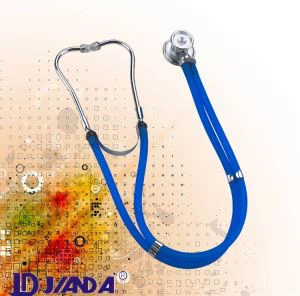
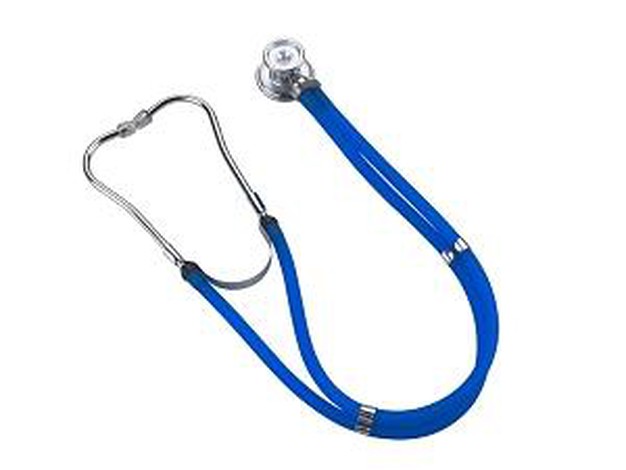
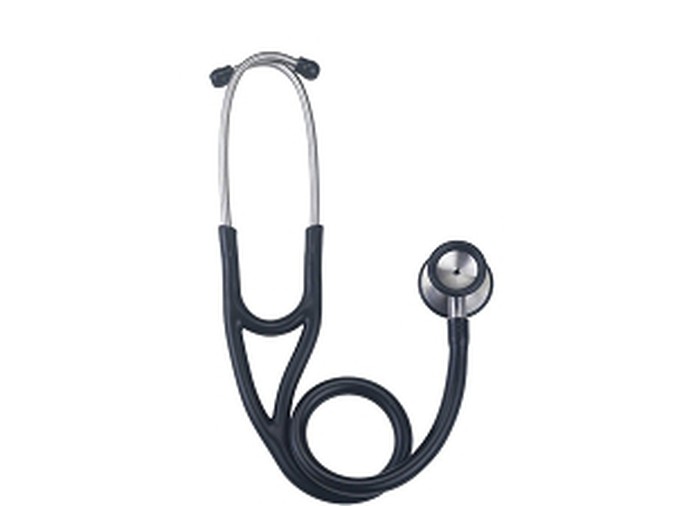
A stethoscope is a medical device used for listening to internal body sounds. It consists of two earpieces, a tube, and a chestpiece with a membrane or bell that is placed on the patient's body. The stethoscope is often used to listen to the sounds produced by the heart, lungs, and blood vessels. It can be used to detect abnormal heart rhythms, murmurs, and wheezes. Stethoscopes are an essential tool for doctors, nurses, and other medical professionals in diagnosing and treating various medical conditions. They come in different types, such as the traditional acoustic stethoscope, electronic stethoscopes, and digital stethoscopes, each with unique features and capabilities.
Why Choose Us
High quality
Our products are manufactured or executed to a very high standard, using the finest materials and manufacturing processes.
Advanced equipment
A machine, tool or instrument designed with advanced technology and functionality to perform highly specific tasks with greater precision, efficiency and reliability.
Quality control
We have built a professional quality control team to accurately inspect every raw material and every production process.
Professional team
Our professional team collaborates and communicates effectively with each other, and is dedicated to delivering high quality results. We are capable of handling complex challenges and projects that require our specialized expertise and experience.
Customized services
We understand that each customer has unique manufacturing needs. That’s why we offer customization options to cater to your specific requirements.
24H online service
We try and respond to all concerns within 24 hours and our teams are always at your disposal in case of any emergencies.







Advantages of Stethoscope
Detect abnormalities early
One of the main advantages of a stethoscope is its ability to aid in the early detection of abnormalities. By listening to the sounds produced by the heart and lungs, medical professionals can identify potential issues before they become serious. This can result in early intervention and treatment, which can improve patient outcomes and reduce healthcare costs.
Portability and ease of use
Another advantage of a stethoscope is its portability and ease of use. It is a compact and lightweight device that can be easily transported and used in various settings, such as hospitals, clinics, and doctor's offices. Additionally, stethoscopes are simple to use and can be operated by medical professionals of all skill levels.
Non-invasive
Furthermore, stethoscopes are non-invasive and do not require any special preparation or discomfort for the patient. Unlike some medical procedures that require anesthesia or involve needles, a stethoscope can be used to listen to a patient's internal sounds quickly and easily, with minimal discomfort or inconvenience.
Cost-effective
In addition to these advantages, stethoscopes are also cost-effective. They are relatively inexpensive compared to other diagnostic tools, such as imaging technology, and can be used repeatedly without significant maintenance or replacement costs.
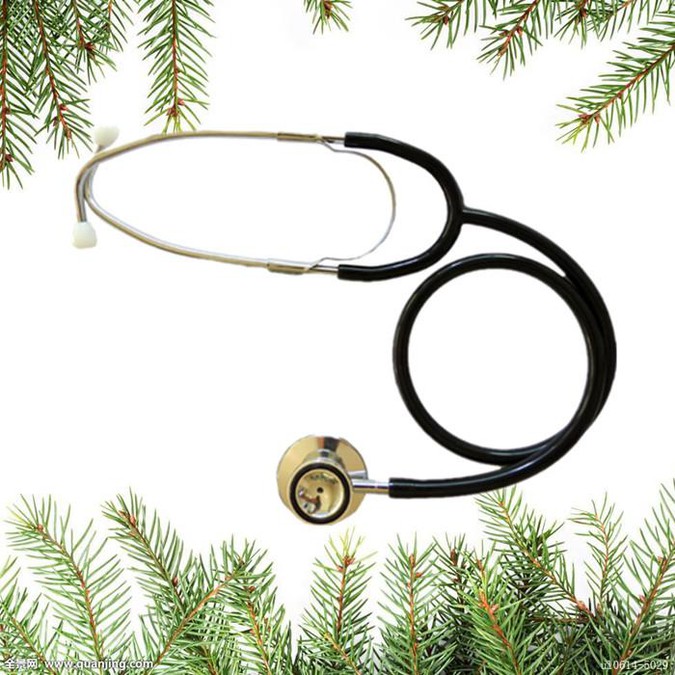
The most common type of stethoscope is the traditional acoustic stethoscope. This type of stethoscope consists of two earpieces connected by a tube, and a chestpiece that is placed on the patient's body. The chestpiece contains a membrane or bell that amplifies the sounds produced by the internal organs, allowing the medical professional to listen to them through the earpieces. Acoustic stethoscopes are widely used in hospitals, clinics, and doctor's offices, and are known for their simplicity and ease of use. Another type of stethoscope is the electronic stethoscope. This type of stethoscope uses electronic technology to amplify and filter the sounds produced by the internal organs, providing clearer and more detailed sound quality. Electronic stethoscopes can also be used with headphones or earphones, allowing the medical professional to listen to the sounds in a more controlled environment. They are particularly useful for detecting subtle heart murmurs and other abnormalities that may be difficult to hear with an acoustic stethoscope. Digital stethoscopes are another type of stethoscope that use digital technology to amplify and record the sounds produced by the internal organs. They can be connected to a computer or other digital device, allowing the medical professional to analyze the sounds in detail. Digital stethoscopes are particularly useful for telemedicine and remote patient monitoring, as they allow the medical professional to listen to the sounds produced by the patient's internal organs from a distance. Finally, there are also pediatric stethoscopes, which are specifically designed for use on children. These stethoscopes have smaller chestpieces and tubing that are more suitable for children's smaller bodies, and they often come in bright colors and designs that appeal to children. Pediatric stethoscopes are an important tool for pediatricians and other medical professionals who care for children, as they allow them to listen to the sounds produced by the child's internal organs in a safe and effective manner.

One of the primary applications of a stethoscope is in the diagnosis and treatment of cardiovascular diseases. By listening to the sounds produced by the heart, medical professionals can identify abnormalities such as murmurs, valve defects, and arrhythmias. This information can be used to diagnose the condition and develop an appropriate treatment plan, which may include medication, surgery, or lifestyle changes. Another important application of a stethoscope is in the diagnosis and treatment of respiratory diseases. By listening to the sounds produced by the lungs, medical professionals can identify abnormalities such as wheezes, crackles, and rhonchi. This information can be used to diagnose the condition and develop an appropriate treatment plan, which may include medication, breathing therapy, or surgery. In addition to these applications, stethoscopes are also used to monitor the vital signs of patients during medical procedures. For example, during surgery, a stethoscope can be used to listen to the heart and lungs, allowing the medical team to monitor the patient's condition and make adjustments to the anesthesia as needed. Stethoscopes are also used in the education and training of medical professionals. Medical students and residents use stethoscopes to learn how to identify normal and abnormal sounds produced by the heart and lungs, which is an important skill for their future career as doctors. Finally, stethoscopes are also used in research studies to collect data on the sounds produced by the internal organs of patients. This data can be used to develop new diagnostic tools or to improve existing ones, which can ultimately improve patient care and outcomes.
How to Store Stethoscope
Before storing your stethoscope, make sure to clean it thoroughly using warm water and medical-grade disinfectant. Avoid using harsh chemicals or soaps, as they can damage the stethoscope's components. Wipe the earpieces and chestpiece with a clean, damp cloth to remove any residue or dirt.
After cleaning, allow the stethoscope to dry completely before storing it. Moisture can cause corrosion and damage the stethoscope's components, so it's important to make sure it's completely dry before storage.
To protect the stethoscope from dust, dirt, and damage, store it in a protective case. There are many types of cases available, including hard-shell cases, soft cases, and bags. Choose a case that is large enough to accommodate the stethoscope comfortably and has a secure closure to prevent the stethoscope from falling out.
Before storing the stethoscope, make sure to organize its components. Attach the earpieces to the tubing and ensure that the chestpiece is securely attached. Coil the tubing neatly and avoid kinking or twisting it, as this can cause damage over time.
Storing the stethoscope in a dry, cool place can help prevent damage and prolong its lifespan. Avoid storing it in direct sunlight or in humid environments, as this can cause the stethoscope to rust or corrode.
A stethoscope is a diagnostic tool that medical professionals use to listen to the sounds produced by the internal organs of a patient, such as the heart, lungs, and blood vessels. It works on the principle of acoustic transmission, which involves the transfer of sound waves through air and other materials. When the medical professional places the chestpiece on the patient's body, it picks up the sound waves produced by the internal organs. These sound waves travel through the air inside the chestpiece and into the tubing. The tubing acts as a conduit, transmitting the sound waves to the earpieces. The earpieces contain small earbuds that deliver the sound waves to the medical professional's ears. The medical professional can then listen to the sounds produced by the patient's internal organs and use this information to diagnose any abnormalities. One of the key features of a stethoscope is its ability to amplify sounds. The chestpiece and tubing are designed to maximize the transmission of sound waves, while the earpieces are designed to deliver high-quality sound to the medical professional. This allows medical professionals to hear even faint sounds produced by the patient's internal organs, making it an invaluable tool in the diagnosis and treatment of various medical conditions. In addition to its basic function, some stethoscopes also have additional features, such as electronic amplification or Bluetooth connectivity. These features can enhance the stethoscope's capabilities and allow medical professionals to capture more detailed information about their patients' health.

What Are the Different Parts of a Stethoscope?
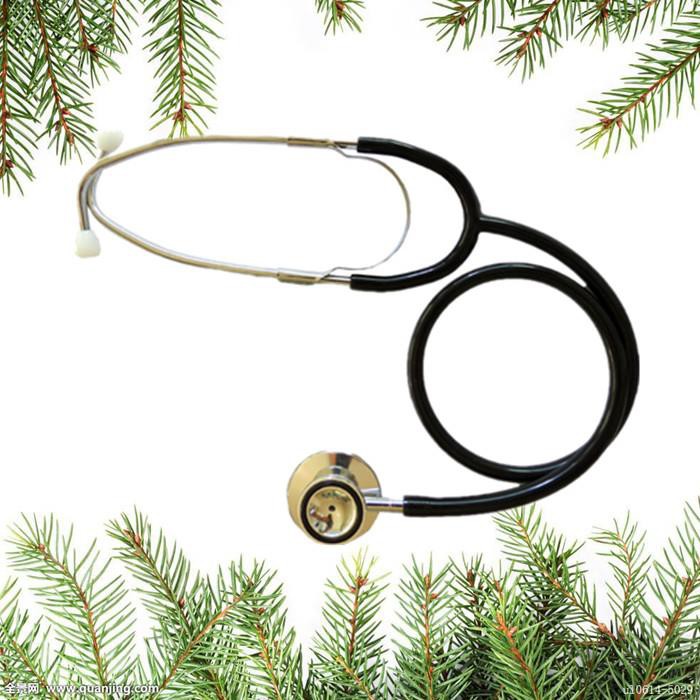
01.Chestpiece
02.Tubing
03.Earpieces
04.Tension band
05.Fidelity control
06.Bell and diaphragm
07.Stethoscope tube
The diaphragm and the bell are two distinct components of the chestpiece that serve different purposes. The diaphragm is a circular, flexible membrane that is used to listen to high-pitched sounds, such as heart murmurs, Korotkoff sounds, and airway sounds. When the diaphragm is pressed against the patient's body, it vibrates and transmits the sound waves through the tubing to the eartieces. The diaphragm is typically made of a thin, flexible material, such as plastic or metal, and is designed to be easily replaceable. On the other hand, the bell is a concave, hollow cup that is used to listen to low-pitched sounds, such as heart sounds, lung sounds, and blood flow sounds. The bell works by capturing the sound waves and directing them into the tubing, where they are transmitted to the eartieces. The bell is typically made of a thicker material, such as metal, and has a non-replaceable design. One of the main differences between the diaphragm and the bell is the frequency range of the sounds that they can detect. The diaphragm is designed to detect high-frequency sounds, while the bell is designed to detect low-frequency sounds. Additionally, the diaphragm and the bell have different shapes and designs, which allow them to capture and transmit sound waves in different ways. The diaphragm is typically used for general auscultation of the heart, lungs, and abdomen, while the bell is used for more specific applications, such as listening to heart sounds and blood flow sounds. In some cases, both the diaphragm and the bell may be used simultaneously to capture a full range of sounds. The diaphragm and the bell are two important components of the stethoscope chestpiece that serve different purposes. The diaphragm is used to listen to high-pitched sounds, while the bell is used to listen to low-pitched sounds. Understanding the differences between these two components can help healthcare professionals use the stethoscope more effectively and accurately diagnose their patients' health conditions.


Yes, stethoscopes can be used on both adults and children. However, there are certain factors to consider when using a stethoscope on different age groups. Firstly, the size of the stethoscope chestpiece can affect its use on adults and children. Adult-sized stethoscopes typically have larger chestpieces that may not fit comfortably on a child's body. Conversely, pediatric stethoscopes have smaller chestpieces that are designed to fit comfortably on a child's chest. Therefore, it is important to choose a stethoscope that is appropriate for the patient's age and size. Secondly, the frequency range of the stethoscope is another factor to consider. Adult hearts beat at a lower frequency than children's hearts, so a stethoscope designed for adults may not be as effective at picking up the higher frequency sounds produced by a child's heart. Conversely, a pediatric stethoscope may be more effective at picking up the higher frequency sounds produced by a child's heart and lungs. Thirdly, the skill level of the user also plays a role in using a stethoscope on adults and children. Experienced healthcare professionals may be able to hear subtle differences in heart and lung sounds regardless of the type of stethoscope used. However, for less experienced users, a pediatric stethoscope may be more effective at picking up the higher frequency sounds produced by a child's heart and lungs. In addition to these factors, it is important to ensure that the stethoscope is properly maintained and cleaned to ensure optimal performance. Regular cleaning and replacement of the eartips and diaphragm/bell can help prevent contamination and ensure accurate auscultation of heart and lung sounds.
An acoustic stethoscope is a medical device that is used to listen to the internal sounds of the body, such as the beating of the heart and the sounds of breathing. It is an essential tool for healthcare professionals to diagnose and monitor a range of conditions, including heart disease, respiratory problems, and circulatory issues. The acoustic stethoscope consists of three main components: the chestpiece, the tubing, and the eartieces. The chestpiece is placed on the patient's body and contains a membrane or diaphragm that vibrates when it comes into contact with the patient's skin. The tubing connects the chestpiece to the eartieces, which are placed in the healthcare professional's ears. Acoustic stethoscopes work on the principle of acoustics, which is the study of sound. When the chestpiece is placed on the patient's body, it picks up the sound waves produced by the internal organs. The sound waves cause the diaphragm to vibrate, and these vibrations are transmitted through the tubing to the eartieces. The healthcare professional hears the sounds through their ears, allowing them to analyze the sounds and make a diagnosis. Acoustic stethoscopes come in different types, including single-head and double-head models. Single-head stethoscopes have a single diaphragm for listening to high-frequency sounds, while double-head stethoscopes have both a diaphragm and a bell for listening to both high and low-frequency sounds. One of the advantages of acoustic stethoscopes is their simplicity and ease of use. They do not require any external power source or batteries, and they are relatively inexpensive compared to electronic stethoscopes. However, they may not be as effective at picking up faint or low-frequency sounds as electronic stethoscopes.

How Should I Clean and Maintain My Stethoscope?
Clean the chestpiece regularly
The chestpiece is the part of the stethoscope that comes into contact with the patient's skin. It should be cleaned regularly with warm water and a mild disinfectant solution, such as rubbing alcohol or hydrogen peroxide. Avoid using harsh chemicals or abrasive materials, as they can damage the diaphragm or bell membrane.
Replace the diaphragm or bell membrane
The diaphragm or bell membrane is the part of the chestpiece that vibrates to produce sound. These membranes can become worn out over time and may need to be replaced. Check with the manufacturer or dealer to determine the appropriate replacement part for your stethoscope model.
Clean the tubing
The tubing connects the chestpiece to the eartieces and can harbor bacteria and other pathogens. Clean the tubing regularly with warm water and a mild disinfectant solution. Avoid using excessive force or twisting the tubing, as this can cause damage.
Replace the eartieces
The eartieces are the tips of the stethoscope that fit into the healthcare professional's ears. They can become contaminated over time and may need to be replaced regularly. Check with the manufacturer or dealer to determine the appropriate replacement part for your stethoscope model.
Store the stethoscope properly
When not in use, store the stethoscope in a clean, dry place away from dust and dirt. Avoid placing the stethoscope on shared surfaces, such as countertops or equipment carts, as this can increase the risk of contamination.
Regularly inspect the stethoscope
Regularly inspect the stethoscope for any signs of damage or wear and tear. Check the diaphragm or bell membrane, tubing, and eartieces for tears, punctures, or other damage. If any damage is found, replace the appropriate part immediately.
Yes, you can use your stethoscope with a face mask or personal protective equipment (PPE). However, it is important to take certain precautions to ensure that the PPE does not interfere with the accuracy of the auscultation and to minimize the risk of contamination. When using a stethoscope with a face mask, it is important to ensure that the eartieces fit securely in the ears and are not covered by the mask. You can achieve this by adjusting the position of the mask or by using an extension tube to increase the length of the stethoscope tubing. When using a stethoscope with other types of PPE, such as gloves or gowns, it is important to avoid touching the diaphragm or bell membrane with the gloves, as this can contaminate the stethoscope and potentially spread infectious diseases. You can minimize the risk of contamination by using a disposable stethoscope cover or by disinfecting the stethoscope after each patient encounter. It is also important to ensure that the PPE does not interfere with the accuracy of the auscultation. For example, if you are wearing a gown that covers the stethoscope, you may need to adjust the position of the gown to ensure that the diaphragm or bell membrane can make proper contact with the patient's skin. In addition to these precautions, it is important to follow the recommended cleaning and disinfection procedures for both the stethoscope and the PPE to minimize the risk of contamination and ensure the accuracy of the auscultation.
Yes, you can use a stethoscope to listen to lung sounds. A stethoscope is a valuable tool for healthcare professionals to diagnose and monitor a range of respiratory conditions, including asthma, pneumonia, and COPD. By listening to lung sounds, healthcare professionals can identify abnormalities in lung function and help diagnose and treat respiratory issues. Lung sounds can be classified into two main types: adventitious and normal sounds. Adventitious sounds are abnormal sounds that are not normally heard in healthy lungs and can indicate a respiratory problem. Normal sounds include the sounds of breathing and the whooshing sound of blood flow through the veins. When using a stethoscope to listen to lung sounds, it is important to follow proper technique to ensure accurate auscultation. The healthcare professional should first identify the location on the patient's chest where the lung sounds are most likely to be heard. This may be over an area of consolidation, such as in the case of pneumonia, or over an area of air trapping, such as in the case of asthma. The healthcare professional should then place the chestpiece of the stethoscope over the area of interest and listen to the sounds through the eartieces. It is important to listen for several breaths to capture the full range of sounds produced by the lungs. The healthcare professional should listen for adventitious sounds, such as crackles, wheezes, and rhonchi, which can indicate respiratory problems. Normal sounds, such as the whooshing sound of blood flow, may also be heard.
Our factory
Wenzhou Jianda Medical Instrument Co.,Ltd. is a manufacturer and supplier of aneroid sphygmomanometer, stethoscope and other medical instruments such as digital blood pressure monitor,digital thermometer, medical device accessories. We produce more than 500,000 sets of sphygmomanometers and stethoscopes every year and our products have been exported to USA, EEC and many other countries.
Our Certificate


FAQ
Q: What is a stethoscope?
Q: How does a stethoscope work?
Q: What are the different parts of a stethoscope?
Q: What is the difference between a diaphragm and a bell on a stethoscope?
Q: Can stethoscopes be used on both adults and children?
Q: Are there different types of stethoscopes?
Q: What is an acoustic stethoscope?
Q: What is an electronic stethoscope?
Q: What is a fetal stethoscope?
Q: Can stethoscopes be used to listen to other body sounds?
Q: How should I clean and maintain my stethoscope?
Q: Can I personalize my stethoscope?
Q: How long do stethoscopes last?
Q: Can I use my stethoscope with a face mask or personal protective equipment (PPE)?
Q: Are there stethoscopes specifically designed for hearing-impaired healthcare professionals?
Q: Can I use a stethoscope to listen to my own heartbeat?
Q: Can I use a stethoscope to listen to sounds in the abdomen?
Q: Can I use a stethoscope to listen to lung sounds?
Q: Can I use a stethoscope to listen to blood flow in arteries and veins?
Q: Can I use a stethoscope to assess the carotid artery?