

Ambulance Blood Pressure Monitor
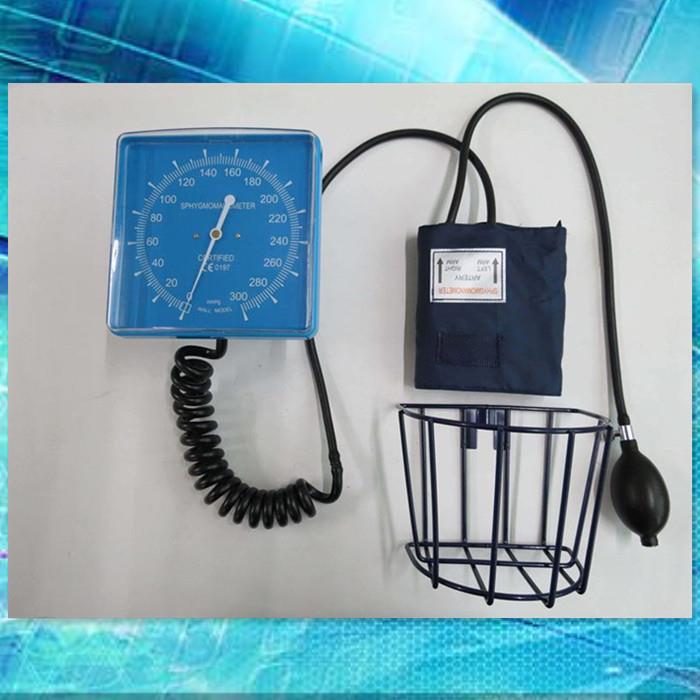
The Ambulance Blood Pressure Monitor is easy to operate and accurate.
It is made of all metal and is durable. It is small and convenient to carry, and has high measurement accuracy.
Its method of use and accuracy in measurement are consistent with the mercury desktop sphygmomanometer used by doctors in hospitals.
Description
Description
The Ambulance Blood Pressure Monitor is easy to operate and accurate. It is made of all metal and is durable. It is small and convenient to carry, and has high measurement accuracy. Its method of use and accuracy in measurement are consistent with the mercury desktop sphygmomanometer used by doctors in hospitals.
Instructions
After turning on the switch, first check if the Ambulance Blood Pressure Monitor mercury scale is in the 0 position, if not, it needs to be calibrated. Then wrap the inflatable balloon around the upper part of the arm, then press the balloon to inflate it, then slowly deflate. The first clear sound during the drop of the mercury column is the mercury column on the scale and the second clear sound. The scale on which the column is located, these two values are your high pressure and low pressure.

Blood pressure range
The blood pressure of a normal person increases with age. The systolic blood pressure of normal adults should be less than 140 mm Hg (written by the doctor as mmHg) or 18.6 kPa (abbreviated as kPa). The diastolic blood pressure should be less than 90 mm Hg (or 12.0 kPa). The difference between systolic and diastolic pressure is the "pulse pressure difference". The pulse pressure difference is 30 to 40 mm Hg (or 4.0 to 5.3 kPa).
Picture

Send Inquiry
You Might Also Like